If you are thinking about buying a rental property around Chippewa Falls, you are probably asking a practical question: is this a market with steady demand and realistic opportunities? The short answer is that Chippewa Falls offers a mix of local employers, regional access, and multiple housing types that can make rental ownership worth a closer look. When you pair that with careful property-by-property research, you can spot opportunities that fit a conservative, long-term strategy. Let’s dive in.
Why Chippewa Falls Stands Out
Chippewa Falls is a smaller city, but it is not a one-note market. The city had an estimated 2024 population of 15,075, and U.S. Census QuickFacts shows a 50.7% owner-occupied housing unit rate within the city. That balance suggests a market where both homeowners and renters play an important role.
The same Census data reports a $910 median gross rent for 2020 through 2024 in Chippewa Falls. In Chippewa County overall, the owner-occupied rate is higher at 74.2%, with a $963 median gross rent. For you as a buyer, that helps frame local rent expectations and shows that city and county conditions are not exactly the same.
Another useful signal is mobility. Census figures show 78.8% of residents lived in the same house one year earlier, which points to a market with a mix of longer-term households and people who still move from year to year. That can support rental demand without making the market feel overly transient.
What Supports Rental Demand
Rental demand in Chippewa Falls appears to come from several directions rather than one single source. That matters because a more diversified demand base can help reduce the risk of relying too heavily on one employer, one season, or one type of tenant.
Local jobs matter
Chippewa County’s economic development overview describes the area as part of a diversified regional economy with tourism, retail, agriculture, and manufacturing. It also highlights the Lake Wissota Business Park as a major mixed-use employment area. For rental owners, that can translate into demand from people who want to live close to work or within an easy commute.
The Chippewa Falls Area Chamber also identifies major employers such as TTM Technologies, HPE, Nordson EDI, ITW Deltar Fasteners, Great Northern Corp., Mason Companies, and Spectrum Industries. A broad employer base can support demand across different price points and property types, from single-family rentals to duplexes and smaller multifamily buildings.
Regional access helps
Chippewa Falls benefits from its location near Eau Claire and within reach of the Twin Cities. Census data also notes an average commute time of 18.9 minutes, which supports the idea that this is both a local employment center and a commuter-friendly market. If you are comparing neighborhoods or property locations, ease of access can be an important factor in long-term appeal.
Transit is another practical detail. According to the Chamber information cited in the research, Chippewa Falls Shared Ride Transit connects to Eau Claire Transit routes 3 and 4 on weekdays. For some renters, that added transportation link can increase a property’s usefulness.
Household needs are varied
The city’s age mix is another reason Chippewa Falls is worth a closer look. Census QuickFacts shows 20.5% of residents are under 18 and 20.6% are 65 or older, which suggests demand is not concentrated in only one life stage. In plain terms, you may see interest from working households, families, and older residents looking for practical housing options.
School-related demand can also influence the rental market. The National Center for Education Statistics lists the Chippewa Falls Area Unified School District as a PK-12 district with 9 schools and 4,574 students in the 2024-2025 school year. That kind of enrollment can matter when you are evaluating family-sized rentals or homes in established residential areas.
Rental Property Types to Watch
One of the more encouraging signs in Chippewa Falls is that opportunity is not limited to one format. Based on the city’s planning and housing materials, there may be room for several types of rental strategies if the location, condition, and numbers make sense.
Single-family homes
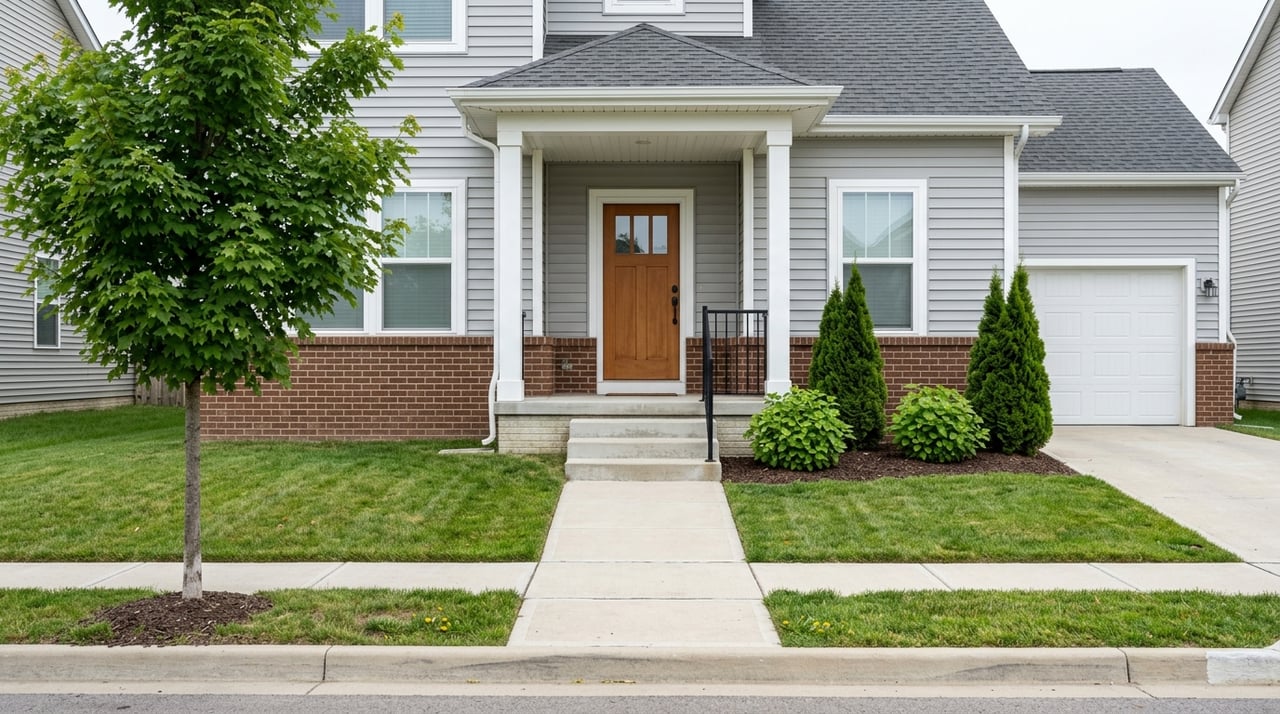
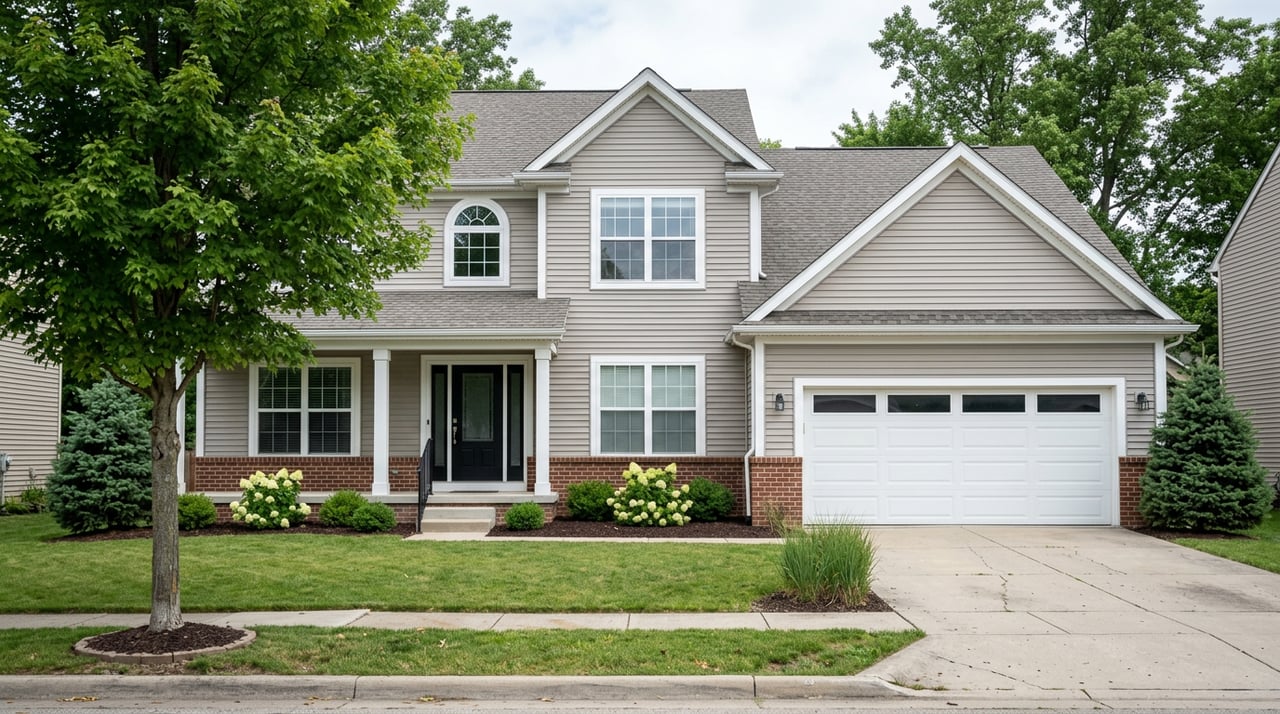
Single-family rentals can appeal to renters who want more space, storage, or yard access. In a market with mixed age groups and varied household sizes, this property type can offer flexibility. It can also be a practical option if you are looking for a simpler entry point than a larger multifamily project.
Duplexes and twin homes
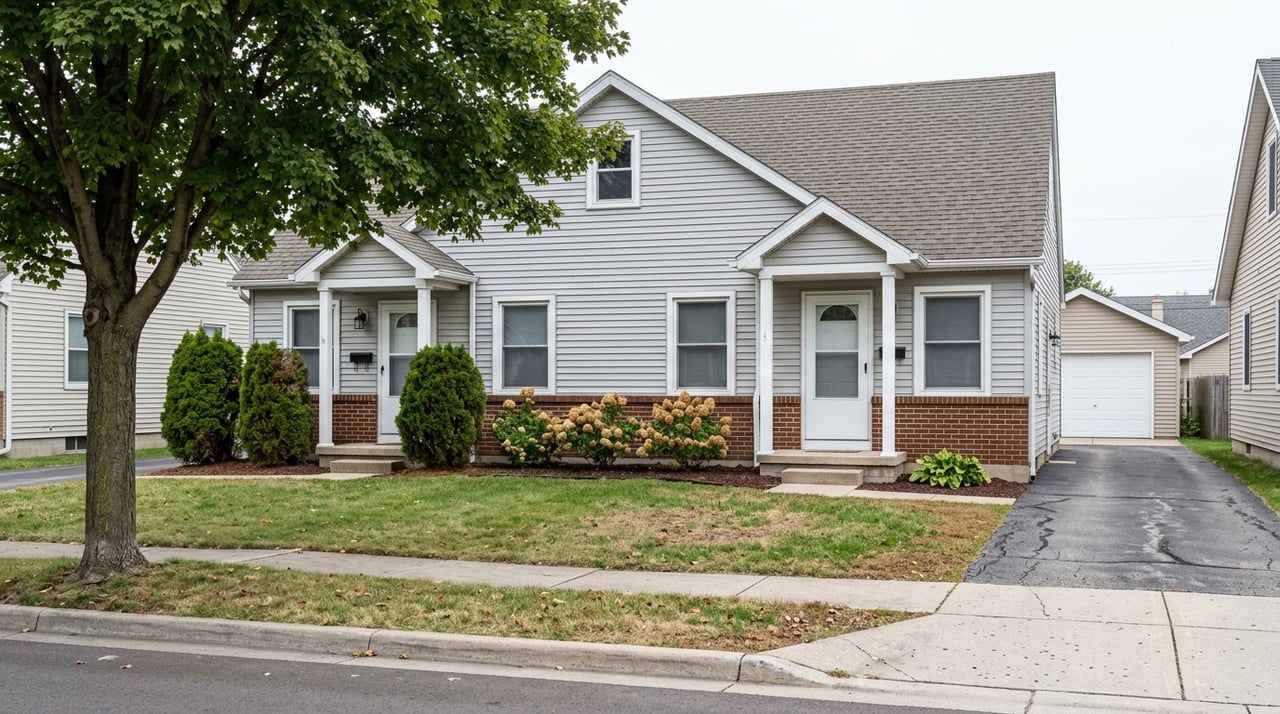
The city’s zoning framework includes two-family districts, which makes duplex-style opportunities especially relevant. These properties can offer a middle ground between a single-family rental and a larger apartment building. For some buyers, they also create a path toward rental ownership with more than one income stream from a single parcel.
Small multifamily properties
Chippewa Falls also includes multifamily districts, and the city’s 2025 Housing Affordability Analysis shows that recent development has included multifamily permits and a commercial conversion to an 18-unit multifamily complex. If you are considering a small apartment building, that report suggests the city is already seeing this type of supply added to the market.
Mixed-use and downtown conversions
A less obvious opportunity is downtown or mixed-use property. City materials show that some downtown commercial districts allow rental apartments as secondary uses, and the C-3 downtown district even allows rental apartments on the ground floor. The housing analysis also points to second-story conversions and mixed-use redevelopment as possible ways future units could be added.
For the right buyer, this could open the door to a different kind of investment strategy. Still, these properties often need extra due diligence on zoning, layout, renovation scope, and operating costs.
What the Housing Supply Says
Recent building activity offers helpful clues about where the market may be headed. The city’s housing analysis says that in 2025 there were seven single-family permits, two multifamily permits representing 16 units, and one commercial conversion creating 18 multifamily units, for a total of 41 units. It also states that 487 housing units were permitted from 2021 through 2025, with most of them being rental units.
That does not automatically mean every rental purchase will perform well. What it does suggest is that local planning assumptions recognize ongoing rental demand and the need for additional housing options.
The same report projects a need for about 1,346 additional housing units from 2025 to 2045, or roughly 67 units per year after accounting for a small surplus. It also notes that the city was working from low vacancy rates in 2020 and included additional rental units in its long-range demand assumptions. For you, that points to a market where well-located rental housing may continue to matter over time.
Best Areas to Evaluate Carefully
Not every opportunity around Chippewa Falls will fit the same rental strategy. The strongest approach is usually to match the property to the most likely type of demand.
In-town residential areas
Established residential neighborhoods may work well for long-term rentals, especially single-family homes, duplexes, or smaller multifamily properties. In these areas, you will want to look closely at commute patterns, property condition, parking, and expected maintenance costs.
Downtown locations
Downtown properties may offer mixed-use or apartment conversion potential where zoning allows. These can be appealing if you are looking for something with multiple income possibilities. At the same time, older buildings often require more review for code compliance, updates, and renovation budgets.
Lake and recreation-adjacent areas
Seasonal or short-term demand may be more plausible near recreation assets. The Wisconsin DNR’s Lake Wissota State Park page highlights the area’s 6,300-acre lake, boating access, campsites, hiking, biking, horseback riding, and swimming opportunities. The research also notes nearby attractions such as the Old Abe State Trail, Irvine Park, and the Northern Wisconsin State Fairgrounds.
That visitor economy can create interest in seasonal stays, but this type of investment is more location-sensitive. If you are considering a recreational or lake-area property, management style, pricing, local rules, and year-round usability all become more important.
Questions to Ask Before You Buy
Before you move forward on a rental property in Chippewa Falls, focus on the basics. The city’s Applicable Codes information makes clear that local review can involve zoning, building, housing and occupancy, floodplain zoning, and shoreland or wetland regulations.
A smart due-diligence checklist includes questions like these:
- What zoning district applies to the property?
- What rental or residential uses are allowed there?
- Is the parcel affected by floodplain, wetland, or shoreland restrictions?
- Will the current layout support your intended rental model?
- Are expected rents realistic compared with the city’s $910 median gross rent?
- Do taxes, insurance, financing, maintenance, and vacancy assumptions still leave room for acceptable returns?
- Will repairs or upgrades require permits?
The city also notes that all building projects within the city require permits, and even replacements such as windows, siding, and roofing generally require permits unless the project value is under $2,000. That is an important detail if you are comparing a move-in-ready property with one that needs work.
A Conservative Strategy Often Wins Here
Chippewa Falls does not read like a market built for highly speculative rental bets. Based on the city’s housing analysis and local economic context, it looks better suited to well-located, practical properties such as single-family homes, duplexes, twin homes, small multifamily buildings, and some mixed-use downtown opportunities.
That can be good news if your goal is steady performance rather than chasing a flashy idea. In markets like this, careful underwriting, realistic rent assumptions, and attention to local rules often matter more than trying to force a property into a strategy that does not fit.
If you want help evaluating residential opportunities around Chippewa Falls, Courtney Kneifl offers local, hands-on guidance across the Chippewa Valley. Whether you are comparing homes, looking at a duplex, or weighing a lake-area property, you can benefit from practical insight before you make your next move.
FAQs
What types of rental properties make sense in Chippewa Falls?
- Based on city planning and housing materials, practical options may include single-family homes, duplexes or twin homes, small multifamily properties, and some downtown mixed-use buildings where apartments are allowed.
What does the Chippewa Falls rental market data show?
- U.S. Census QuickFacts reports a $910 median gross rent in the city and a 50.7% owner-occupied housing rate, which points to a meaningful renter presence alongside owner-occupied housing.
What should you verify before buying a rental property in Chippewa Falls?
- You should confirm zoning, allowed uses, permit needs, floodplain or wetland impacts, expected rent levels, and whether the property’s condition and layout fit your intended rental strategy.
What makes Chippewa Falls appealing for long-term rental demand?
- The area has a diversified employer base, access to Eau Claire, a mix of household age groups, and ongoing housing demand identified in the city’s long-range housing analysis.
What is important to know about downtown or lake-area rental properties near Chippewa Falls?
- Downtown properties may offer apartment or mixed-use potential where zoning allows, while lake or recreation-area properties may be more dependent on location, seasonal demand, and careful management planning.