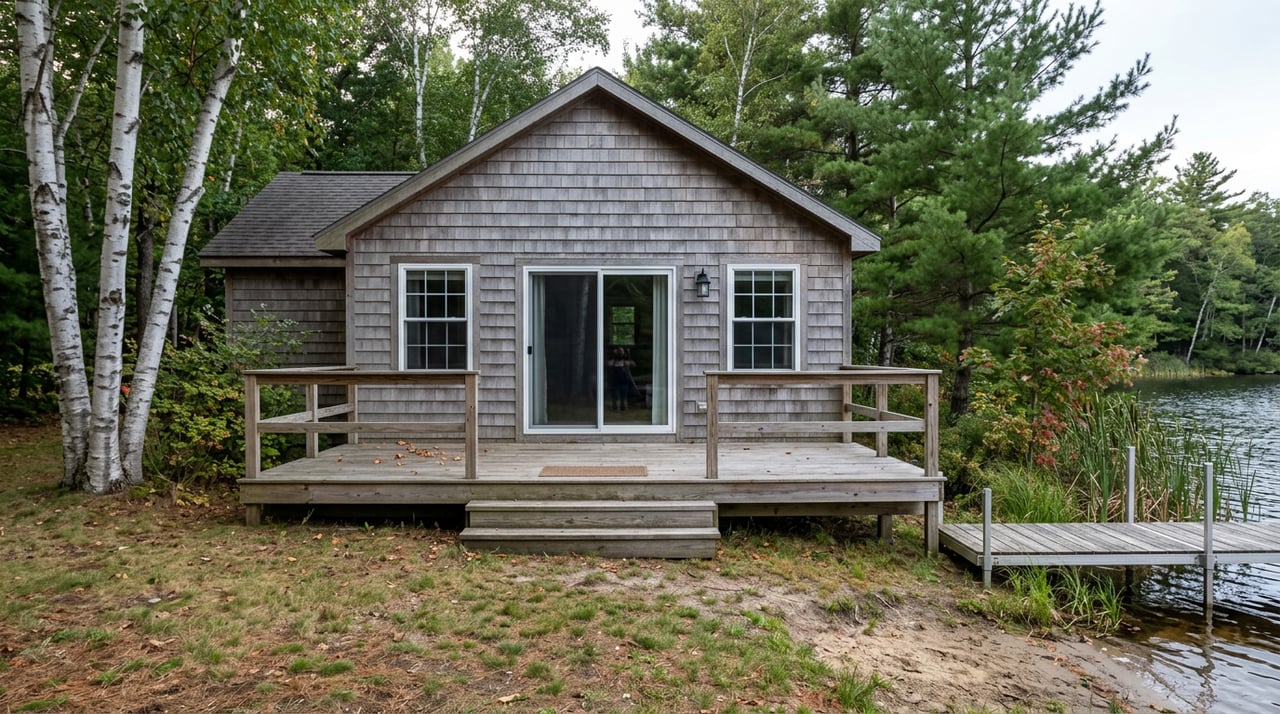
Picture this: a quiet morning on the water, coffee in hand, and your boat tied up out front. If you’re thinking about a weekend cabin or a full-time lake place near Chippewa Falls, you want the fun without surprises. In this guide, you’ll learn the best local lakes to target, how to weigh property types, what to know about shoreland rules and docks, and the key inspections and financing details that make a waterfront buy go smoothly. Let’s dive in.
Best lakes near Chippewa Falls
Lake Wissota at a glance
Lake Wissota is the headliner for good reason. It spans about 6,148 acres with multiple public boat landings, warmwater sportfish, and a state park on the northeast shore. You can review facts, public access points, and local regulations on the Wisconsin DNR’s Lake Wissota lake detail page.
What you’ll love: big-water boating, fishing variety, and a range of shoreline settings from quiet bays to busier main channels. If you plan to launch from public ramps or host guests with trailers, bookmark the DNR page for landings and posted rules.
Holcombe Flowage overview
About a half hour north, the Holcombe Flowage (Holcombe Lake) offers a classic Northwoods feel with musky, mixed recreation, and wide channels. It is part of the Chippewa River system and has local boating rules. Check current ordinances for Holcombe on the DNR’s lake ordinances page.
Public landings and easy access
If you’re weighing deeded access or an inland cabin and plan to rely on public launches, use local resources to plan your routes. The Town of Lafayette lists popular ramps and recreation sites near Lake Wissota on its recreation page.
Property types and tradeoffs
Direct lakefront parcels
With true riparian frontage, you enjoy the classic dock-in-front setup and maximum convenience. These lots usually command a premium and often come with existing docks or lifts. Ask for any shoreline or dock permit history and note how lot width, slope, and wetlands could affect future projects.
Flowage or riverfront shoreline
On impoundments like Lake Wissota or along the Chippewa River, water levels and wake patterns can vary more than on small inland lakes. Navigation channels can be wide and busy in peak season. Review local boating rules and consider how current and wind exposure fit your boating style.
Deeded or association access
These properties don’t have private frontage but offer legal access to shared shoreline or a dock. You’ll often spend less up front while still getting on the water. Ask for recorded easements, association bylaws, and any rules on boat lifts, slip assignments, and guest use.
Inland cabins on acreage
If quiet, privacy, and lower pricing are your goals, an inland cabin can be a smart pick, especially with land for storage or trails. You’ll rely on public landings for boating days and should factor drive time to your preferred lake. Many inland homes also use private wells and septic systems, so plan for those inspections.
Access and shoreline rules to know
Shoreland zoning basics
Wisconsin’s shoreland program sets standards for lot size, vegetation buffers, and setbacks in regulated zones that typically reach 1,000 feet from navigable lakes and 300 feet from navigable streams. Chippewa County administers these rules locally. Before you write an offer, review the county’s guidance and maps on the Chippewa County shoreland program page.
OHWM, docks, and riparian rights
The Ordinary High Water Mark, or OHWM, separates private upland from state-owned lakebed and drives many permitting and title questions. Only DNR staff can make a formal OHWM call. For docks, piers, and boathouses, learn what’s exempt versus what needs a permit by reviewing the DNR’s waterways permitting FAQ, and ask for any past permits or grandfathered-status documents.
Boating ordinances and no-wake areas
Many lakes have local rules for slow-no-wake zones, buoys, or seasonal speed limits. For Lake Wissota, ordinances are linked from the DNR’s lake detail page. Always check posted signage at public landings and confirm rules before you tow skiers or run a surf boat.
Wetlands, grading, and erosion control
Shoreline grading, riprap, seawalls, and sand placement often require permits. Some low-impact stabilization may qualify for exemptions, but larger work typically needs formal approval. Confirm whether past shoreline projects were permitted and review next steps on the DNR’s waterways permitting FAQ.
Quick shoreline due-diligence checklist
Ask for:
- Current survey showing the OHWM and lot corners.
- DNR and county permit history for docks, riprap, or shoreline grading.
- Recorded easements for any shared docks or path-to-lake access.
- Lake association rules related to docks, boat lifts, or shore use.
Utilities and inspections that matter
Private wells and safe water
Property-transfer well inspections are not required by state law, but if performed they must be done by a licensed well driller or pump installer and documented on DNR Form 3300-221. Inspectors should test for coliform bacteria, nitrate, and arsenic. Learn the process and testing details on the DNR’s property-transfer well page.
What to request:
- Any existing well construction reports and past water tests.
- A property-transfer well inspection and lab testing for coliform, nitrate, and arsenic.
- The inspector’s license number and credentials.
Septic systems and POWTS
Chippewa County manages private onsite wastewater systems, known as POWTS, and requires ongoing maintenance reporting. Ask for system records, the original design and permit, and recent pump-out logs. Learn local requirements on the county’s POWTS program page.
Pro tip: Do not have the tank pumped immediately before the inspection, or you could miss signs that matter for condition and lifespan.
AIS and lake quality
Aquatic invasive species affect fishing, boating, and shoreline maintenance. Around Lake Wissota, local groups run monitoring and education programs. You can scan stewardship efforts and AIS updates through the Lake Wissota Improvement & Protection Association. Ask sellers about local lakes they use, any weed treatments, and how often they clean watercraft before launching.
Flood risk and insurance
Check your parcel’s flood zone early, since this can drive loan and insurance terms. Use FEMA’s Flood Map Service Center to review your property on the official flood maps. Even outside mapped high-risk areas, many buyers choose flood coverage for added protection.
Seasonal access and winter use
Ask about the access road, especially if it is private. Who plows it, and how steep is the drive to the cabin or dock? This affects winter usability, deliveries, and service access.
Financing, insurance, and rental plans
Second home vs primary residence
Lenders treat primary residences, second homes, and investment properties differently. Definitions and occupancy rules affect rates, down payment, and underwriting. You can review federal guidance on how lenders classify occupancy on the CFPB’s regulatory interpretation page, then confirm specifics with your lender.
FHA and conventional options
FHA loans are built for primary residences with move-in and occupancy requirements, so they are not a common fit for a pure seasonal cabin. Many buyers use conventional financing for second homes if the property meets year-round use and other guidelines. Talk to a lender early to dial in your best path.
Insurance for waterfront homes
Standard homeowners policies usually exclude flood damage, and lenders may require separate flood coverage in mapped high-risk zones. Ask about endorsements for docks, lifts, or boathouses and get premium estimates before you waive contingencies. Early quotes make budgeting and offer planning easier.
Short-term rentals
If you plan to host short-term guests, check state tourist rooming house rules and your local municipality’s licensing and inspection requirements. Local practice can vary by town or county, so verify before you buy. Make sure any association rules also allow the rental style you have in mind.
Your step-by-step plan
- Narrow your lakes and access type
- Decide if you want private frontage, deeded association access, or an inland base with public launches. Start your shortlist with big-water options like Lake Wissota using the DNR’s lake detail page.
- Gather seller documents
- Ask for the survey with OHWM, recorded deed and easements, any DNR or county shoreline permits, septic and pump-out records, well reports and water tests, recent utility bills, and lake association rules.
- Order the right inspections
- Include contingencies for a licensed well inspection with lab testing, a septic inspection by a county-recognized maintainer, a shoreline and dock review, and a standard home inspection. Use the DNR’s well transfer guidance to confirm test items.
- Verify permits and flood risk
- Review DNR waterways guidance for docks and shoreline work on the waterways permitting FAQ. Check your parcel on FEMA’s Flood Map Service Center and get early insurance quotes.
- Talk to local pros
- Work with a local agent experienced in waterfront deals, a surveyor for OHWM and corners, and county planning for shoreland rules. Connect with a lender to confirm second-home versus primary financing.
Ready to start shaping your search and avoid costly missteps? Reach out to Courtney Kneifl for a local game plan, tailored lake shortlists, and hands-on guidance through permits, inspections, and negotiation.
FAQs
Which lakes are best for a cabin near Chippewa Falls?
- Lake Wissota offers big-water boating, multiple landings, and a state park, while Holcombe Flowage provides a Northwoods feel with musky and mixed recreation.
How do boating rules work on Lake Wissota and nearby waters?
- Many lakes have local ordinances with no-wake zones and seasonal rules; check signage at landings and review the DNR’s Lake Wissota page for ordinance links before you launch.
What well and septic inspections should I order for a lake home?
- Request a licensed property-transfer well inspection with lab tests for coliform, nitrate, and arsenic, plus a septic inspection using county-recognized providers and full POWTS records.
What is the OHWM and why does it matter for docks?
- The Ordinary High Water Mark separates private upland from state-owned lakebed and affects permits; ask for a recent survey and review DNR pier and boathouse rules before changing shoreline structures.
How do flood zones affect my mortgage and insurance?
- If a property is in a Special Flood Hazard Area, lenders typically require flood insurance; use FEMA’s flood maps and get insurance quotes early to understand costs.
Can I use FHA for a seasonal cabin purchase?
- FHA loans are designed for primary residences with occupancy rules, so most seasonal cabin buyers use conventional second-home financing after confirming property eligibility with a lender.