Trying to decide between Eau Claire and Chippewa Falls for your next home? You are not alone. Both offer strong value, everyday convenience, and access to the Chippewa Valley’s outdoor lifestyle. In this guide, you will see how the two cities differ in housing, commute, amenities, and day-to-day feel so you can move forward with clarity. Let’s dive in.
Quick snapshot
Eau Claire at a glance
Eau Claire is the regional hub with a larger population, broader retail and dining, and major institutions. You will find the University of Wisconsin–Eau Claire, regional health systems, and a lively downtown with events and culture. City services and transit are more extensive, which many buyers find convenient.
Chippewa Falls at a glance
Chippewa Falls sits just north with a historic downtown and strong ties to manufacturing and local tourism. It feels more small town while still offering daily necessities and community events. Its location near lakes and parks appeals to buyers who want quick outdoor access.
Housing options and affordability
Eau Claire housing mix
Eau Claire offers a wide range of homes. You will see downtown apartments and condos, older single-family homes in established neighborhoods, and newer subdivisions. The rental market is larger, supported by the university and a bigger workforce.
Chippewa Falls home styles
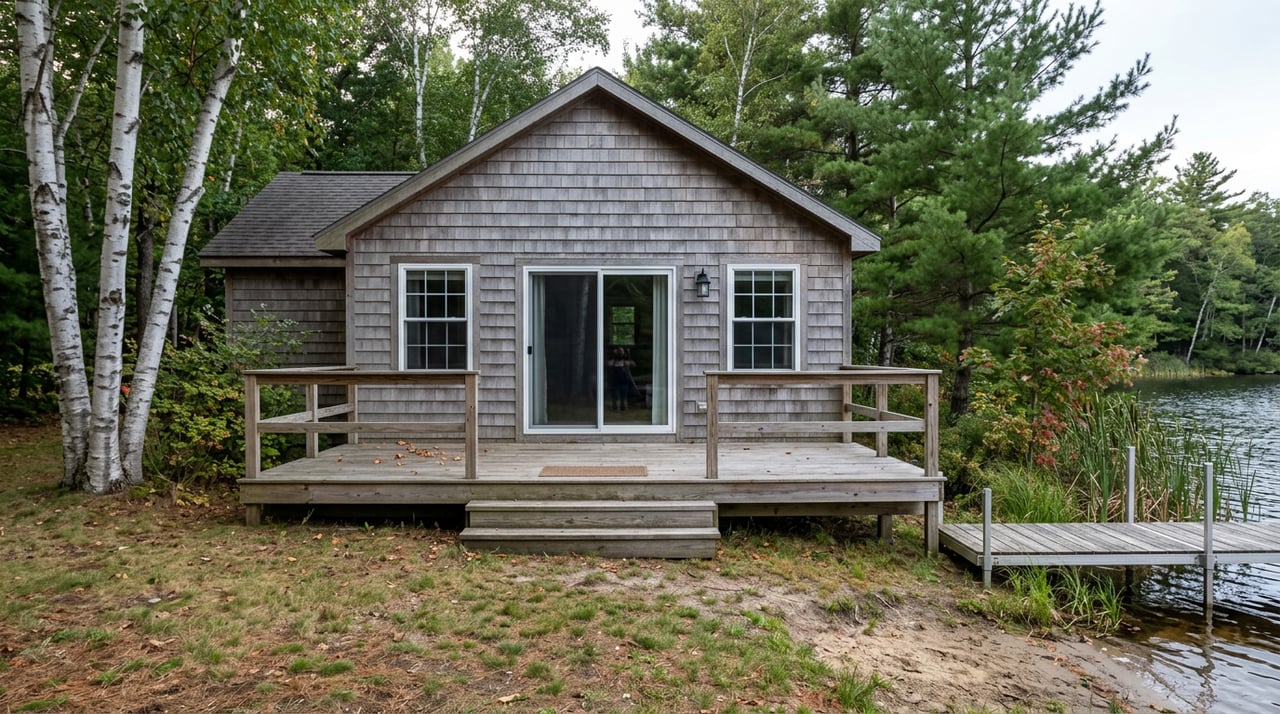
Chippewa Falls leans toward single-family homes and historic housing near downtown. You will also find mid-century homes and lake-area cottages around Lake Wissota and nearby waters. Owner occupancy is common, and smaller multi-family options exist but are more limited.
Prices and competition
Historically, Chippewa Falls has often been comparable or somewhat more affordable at the median. Eau Claire’s role as a regional center can support slightly higher values and rents in many segments. Lakefront or historic properties in either city can command premiums. For an up-to-date picture, compare current MLS median sales prices and days on market before you write an offer.
Commute and connectivity
Driving and typical times
The two downtowns sit roughly 12 to 18 miles apart. A typical drive between Eau Claire and Chippewa Falls is about 20 minutes under normal conditions on US‑53. Cross-city commuting is common, but remember to factor in winter weather and peak-hour traffic near key intersections.
Transit and airport access
Eau Claire provides municipal bus service with routes across the city and paratransit options. Chippewa Falls has more limited fixed-route transit, so most residents rely on cars. For air travel, the Chippewa Valley Regional Airport near Eau Claire serves select commercial routes, while Minneapolis–Saint Paul is the nearest major hub for broader options.
Amenities and lifestyle
Cultural and dining
Eau Claire offers a broader arts scene, festivals, and diverse restaurants along with larger shopping choices. You will find more evening and weekend events across seasons. Chippewa Falls has a charming historic downtown, local breweries, and family-friendly dining with a strong community calendar.
Parks, lakes, and trails
Both cities share the Chippewa River corridor with riverfront trails and parks. Eau Claire features Phoenix Park and connections to regional trails used year-round for biking and walking. Chippewa Falls offers quick access to Lake Wissota State Park and Irvine Park, which draw residents for boating, fishing, hiking, and family recreation.
Health care and education
Eau Claire hosts regional hospitals and specialty care, while Chippewa Falls maintains health services appropriate to a smaller city with easy access to Eau Claire facilities. Both communities have public school districts and private options. For comparisons, review Wisconsin DPI report cards and program offerings that matter to your household.
Which fits your priorities
Choose Eau Claire if you want
- A wider variety of restaurants, retail, and cultural events.
- More apartment and condo options or student-adjacent housing.
- Larger city services and municipal transit.
- A base near university and health system employers.
Choose Chippewa Falls if you want
- A smaller-city atmosphere with historic downtown character.
- Quick access to lake recreation around Lake Wissota.
- A strong mix of single-family homes and established neighborhoods.
- Shorter commutes to local manufacturing or tourism employers.
Buyer tradeoffs to consider
Housing type and lot preferences
If you want variety across condos, apartments, and infill neighborhoods, Eau Claire offers more options. If you prefer a single-family home with a yard or are exploring lake-area properties, Chippewa Falls and nearby townships may open more doors.
Commute and daily driving
If you work near UW–Eau Claire or a regional medical center, living in Eau Claire can shorten your daily drive. If you work in Chippewa Falls or spend weekends on Lake Wissota, staying closer to the north side may be more practical. Cross-city commuting is feasible, but weigh time, fuel, and winter road conditions.
Lifestyle rhythm
Eau Claire often delivers more frequent events and broader nightlife. Chippewa Falls can feel quieter day to day with a close-knit community feel and quick access to parks and lakes. Both provide easy access to the river corridor and regional trails.
Resale and investment
Eau Claire’s larger, more diverse market can support steady buyer and renter demand in many segments. Chippewa Falls may offer niche strength with historic homes and lakefront properties, where supply and location can drive value. Consider your timeline, property type, and long-term plans before deciding.
Practical checklist
Use this short list to compare homes and neighborhoods in both cities:
- Median prices and inventory. Review the latest MLS or regional market reports to compare median sales price, inventory, and days on market for each city.
- School district data. Check Wisconsin DPI report cards for programs, enrollment trends, and boundaries that may affect your search.
- Property taxes and services. Compare local mill rates, assessed values, and municipal services like water, sewer, snow removal, and recycling.
- Commute mapping. Map typical drive times between your likely neighborhood and workplaces at peak hours, then repeat in winter months.
- Planned development. Scan city planning or council agendas for rezoning, road projects, or nearby commercial plans that may affect future value.
- Seasonal considerations. Confirm snow-clearing policies and assess flood or lakeshore considerations if you are near rivers or lakes.
How a local guide helps
The right home is about fit, not just price. A local, hands-on approach can help you weigh tradeoffs, read neighborhood trends, and align your offer with real-time conditions. From first tours through inspection and closing, you should expect clear communication, steady advocacy, and practical solutions.
If you are weighing Eau Claire against Chippewa Falls, you do not have to decide alone. Reach out to Courtney Kneifl for a tailored consultation and a clear plan for your next move.
FAQs
Which city is more affordable for buyers?
- Chippewa Falls has often been viewed as more affordable at the median, but prices vary by neighborhood and property type. Check current MLS data for exact comparisons.
Is daily commuting between the two cities realistic?
- Yes. The typical drive between Eau Claire and Chippewa Falls is about 20 minutes in normal conditions. Factor in winter weather and peak-hour traffic.
Where will I find more condos and apartments?
- Eau Claire generally offers more condos and apartments due to its size and university influence. Chippewa Falls leans more toward single-family inventory.
Which area is better for lake access?
- Chippewa Falls offers immediate access to Lake Wissota and related recreation. Eau Claire provides riverfront trails and parks across the city.
How do schools compare between the two cities?
- Both have established public school districts and private options. Review Wisconsin DPI report cards and program offerings to match your family’s needs.