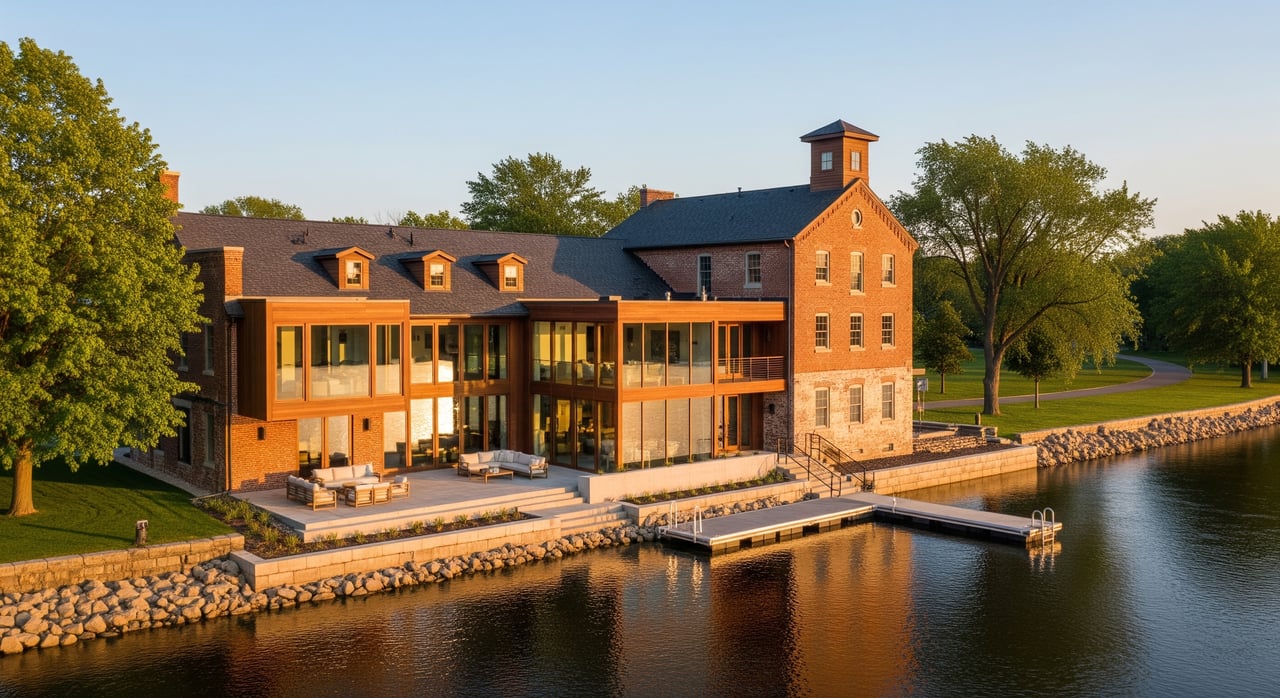
Trying to picture your day-to-day life in Eau Claire? You have a lot of options, from walkable riverfront living to quiet, tree-lined streets and newer subdivisions with bigger yards. Each area offers a different rhythm, with its own tradeoffs in walkability, parking, and lifestyle amenities. In this guide, you’ll get a clear feel for the vibe, housing, and daily routines across Eau Claire’s core neighborhoods so you can narrow your search with confidence. Let’s dive in.
Downtown and riverfront living
If you want energy and convenience, start here. Eau Claire’s central core and Water Street areas are compact and walkable, with independent restaurants, coffee shops, galleries, and live music close by. Cultural programming at the Pablo Center brings frequent performances and events to the riverfront. Summer weekends feel lively with markets and outdoor gatherings.
Daily life looks like quick errands on foot, evening walks by the river, and easy access to performances and festivals. Parking is a mix of on-street and municipal lots. Activity levels are higher at night and on weekends, especially in warm months.
- Best for: You want a car-light lifestyle with nightlife and arts on your doorstep.
- Tradeoffs: More noise and foot traffic than quieter residential areas.
Helpful resources: Explore upcoming performances at the Pablo Center and city updates on parks, trails, and downtown projects on the City of Eau Claire site.
Near the university
Neighborhoods around UW–Eau Claire have a student-influenced feel in parts, with busier streets near campus and quieter blocks as you move away. Expect a mix of rental houses, duplexes, and smaller single-family homes. The area varies by season, often quieter during academic breaks.
You might walk or bike to campus events, grab coffee at a local cafe, and plan ahead for parking during school sessions. If you value easy access to lectures, concerts, and athletic events, this area can be a great fit.
- Best for: You want campus proximity and a social, academic vibe.
- Tradeoffs: More turnover in rental-heavy pockets and busier traffic when classes are in session.
Explore campus amenities and community events through UW–Eau Claire.
Older established single-family streets
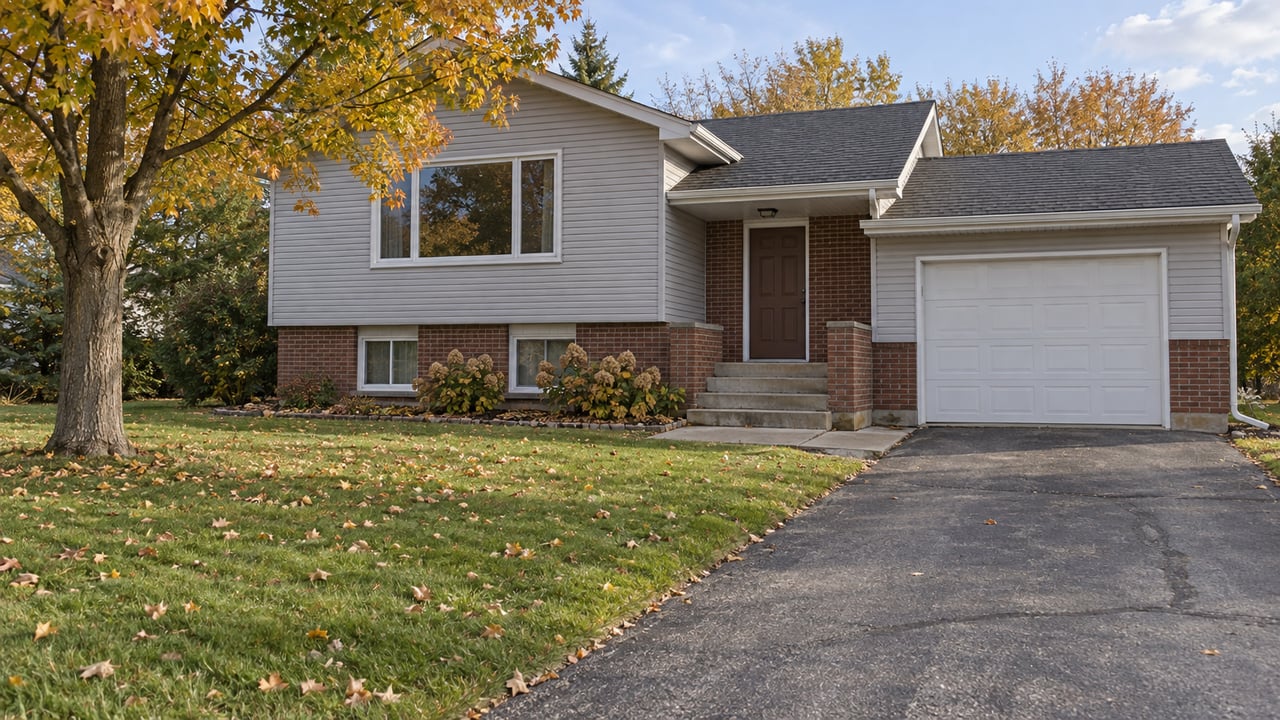
These central and near-central neighborhoods offer mature trees, sidewalks, and a calm, residential pace. You’ll see early 20th-century bungalows and craftsman homes alongside mid-century ranches and split-levels. Lots tend to be a bit smaller than in newer subdivisions, and pockets sit within easy reach of parks and local schools.
Your routine may include after-dinner walks, quick drives for groceries, and weekend park time. These areas appeal to many buyers who want character homes and a traditional neighborhood feel.
- Best for: You want historic charm, walkable blocks, and nearby parks.
- Tradeoffs: Smaller lots, older systems to maintain, and some garages may be smaller than modern builds.
Newer suburban areas
On Eau Claire’s east, southeast, and parts of the west side, newer subdivisions favor larger lots, cul-de-sacs, and modern floor plans. Expect car-oriented living with most errands by vehicle. You’ll find chain grocery options and shopping centers along main corridors, with schools and services a short drive away.
Homes range from modern ranches to two-story family layouts, and some areas include HOA-maintained features. Streets are quieter at night, and the environment tends to be less walkable than central neighborhoods.
- Best for: You want newer construction, larger yards, and easy car access to daily needs.
- Tradeoffs: Fewer walkable dining and entertainment options nearby.
River and park-adjacent pockets
Blocks near Carson Park, Putnam Park, and Phoenix Park offer easy access to trails, ballfields, and river views. If you love to run, bike, fish, or paddle, living close to these green spaces can shape your daily routine. Outdoor events and seasonal markets are a short walk or bike ride in many cases.
If you’re considering river-adjacent properties, take time to understand site-specific floodplain status and insurance needs. Reviewing flood maps before you write an offer is smart.
- Best for: You prioritize parks, trails, and outdoor time.
- Tradeoffs: Some low-lying blocks may have flood considerations and higher insurance requirements.
Check property-specific flood zones using FEMA’s flood maps and learn about floodplain rules via the Wisconsin DNR.
Getting around town
Most Eau Claire residents drive, and commutes are generally shorter than in large metro areas due to the city’s scale. Local bus service through Eau Claire Transit connects downtown, UW–Eau Claire, and key commercial corridors. Riverfront trails and bike-friendly routes help many residents bike to work or school when weather allows.
For regional travel, I‑94 links you to the Twin Cities to the west and toward Madison and Milwaukee to the southeast. The regional airport supports commercial flights for quick trips.
Plan routes and schedules with Eau Claire Transit.
Housing styles and what to expect
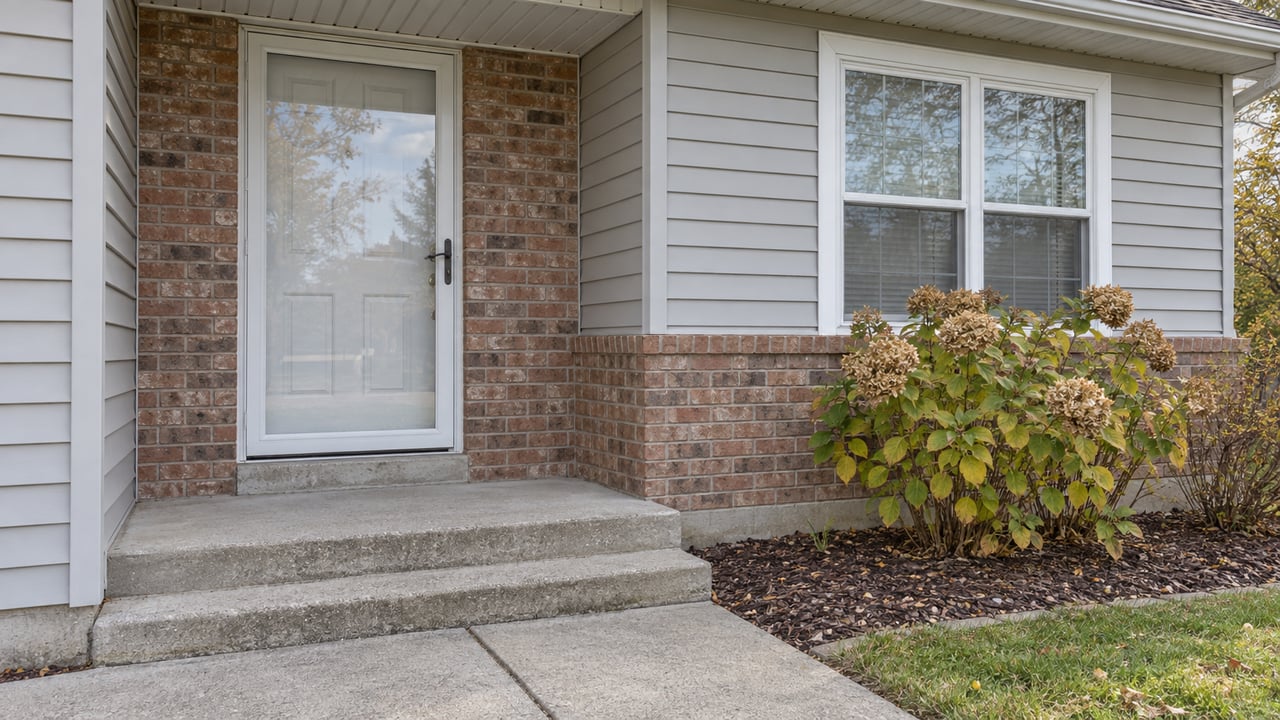
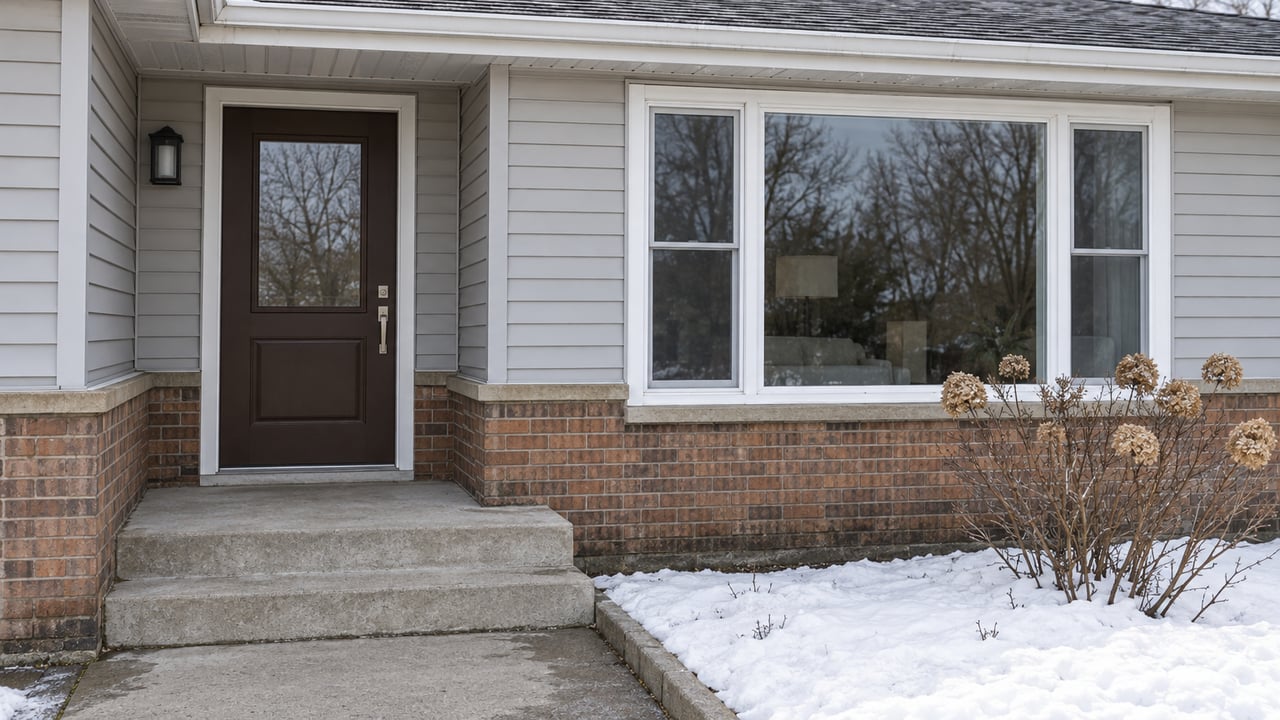
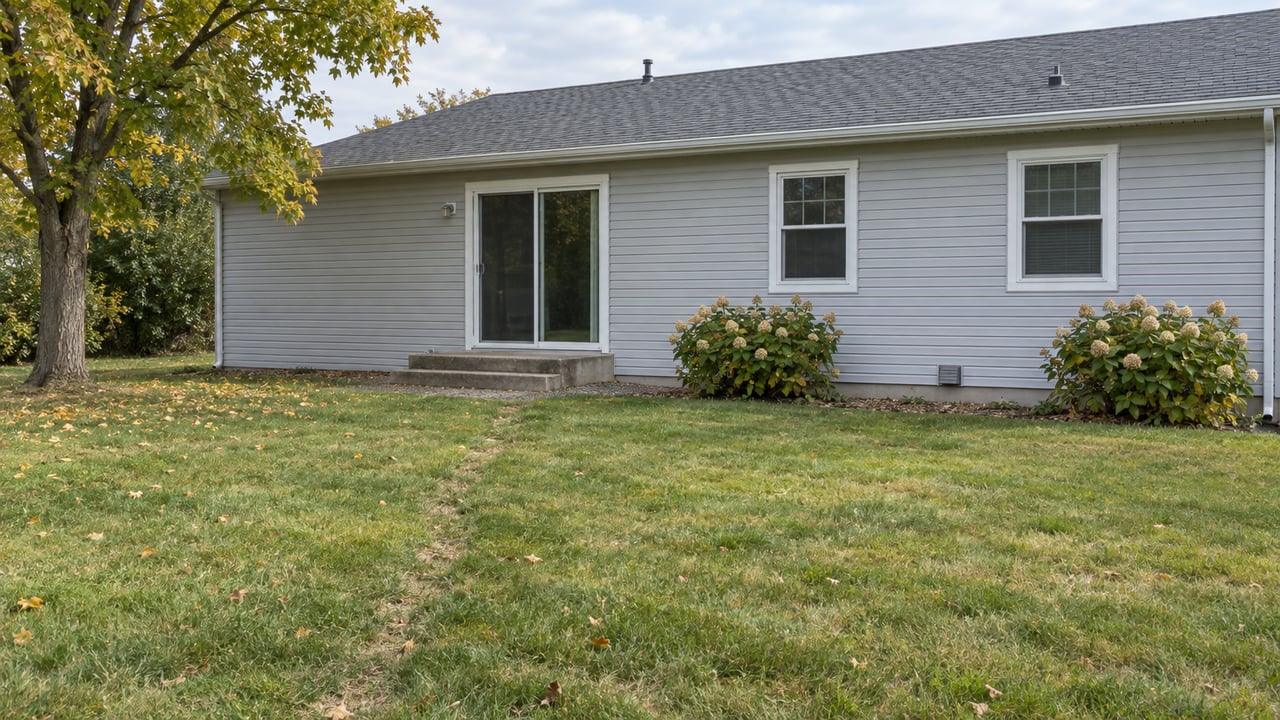
Across Eau Claire, you’ll see a healthy mix of architectural styles. Older neighborhoods feature bungalows and craftsman homes, many with rich details. Mid-century areas offer ranch and split-level options known for practical layouts. Newer subdivisions deliver modern ranches and two-story homes with larger garages and open plans. Closer to downtown, apartment buildings and some condo or loft conversions create more options for low-maintenance living.
Rental demand stays strong near the university and the downtown core. If you are considering an investment property, focus your research on these pockets and review local zoning rules before planning any conversions or additions.
Costs and practical checks
Property taxes are set by state and local levies. It helps to review both city assessments and county rates before you finalize a budget. For river-adjacent homes, confirm elevation, flood status, and insurance early in your due diligence. Eau Claire winters also make roof quality, insulation, and heating system efficiency important considerations.
If you plan to remodel or add an accessory dwelling, review city zoning and permitting to make sure your plans align with current rules. Families often start with school boundaries, then compare commute routes, parks, and childcare options.
- Taxes and assessments: Eau Claire County resources.
- Flood and insurance: FEMA flood maps and Wisconsin DNR guidance.
- School boundaries and programs: Eau Claire Area School District.
Which neighborhood fits you?
- If you want walkability and culture: Focus on downtown and riverfront condos or apartments near galleries, cafes, and the Pablo Center.
- If you want classic charm and parks: Look to older established streets with bungalows and mid-century homes close to local parks.
- If you want space and modern layouts: Explore newer subdivisions on the east, southeast, and west sides with larger yards and two- or three-car garages.
- If you want campus proximity: Consider university-adjacent blocks that make it easy to walk or bike to UW–Eau Claire.
How to explore like a local
- Visit your short list at different times: weekday morning, weekday evening, and weekend midday.
- Test your commute and school drop-off route at real times you would travel.
- Walk the nearest park or river trail to gauge how often you will use it.
- Check bus options on Eau Claire Transit if car-light living is a goal.
- Review flood maps for any river-adjacent property and ask your insurer for a quote early.
- If healthcare access matters, note proximity to clinics and regional providers like Mayo Clinic Health System in Eau Claire.
Ready to narrow your search to the neighborhoods that fit your lifestyle? Get local, honest guidance on tradeoffs, pricing, and timing. Reach out to Courtney Kneifl for a tailored plan, from first tours through closing.
FAQs
Are Eau Claire’s downtown areas noisy at night?
- Downtown and Water Street have higher evening and weekend activity, especially in summer, so expect more ambient noise than quieter residential areas.
How walkable are Eau Claire neighborhoods overall?
- Walkability is highest near the riverfront and downtown, while newer suburban areas are more car-dependent with most errands by vehicle.
What should I know about flood risk near the rivers?
- Some low-lying areas can fall within FEMA flood zones, so check FEMA’s flood maps and discuss insurance requirements with your lender and insurer.
What home styles are common in Eau Claire?
- You’ll find early 1900s bungalows and craftsman homes, mid-century ranches and split-levels, plus newer ranch and two-story builds in suburban subdivisions.
How does public transit work in Eau Claire?
- Eau Claire Transit runs bus routes centered on downtown, UW–Eau Claire, and major corridors; review schedules and stops on Eau Claire Transit.